Ketamine FAQ
What is ketamine?
Ketamine is a medicine historically used for anesthesia during surgeries and medical procedures. It was synthesized in the 1960s and was FDA-approved in 1970 for procedural sedation and anesthesia. It is widely used in hospitals and ERs and is on the World Health Organization's "List of Essential Medicines." Ketamine is now being used "off-label" to treat depression, as well as anxiety, post traumatic stress disorder (PTSD), and some chronic pain disorders. This medication has a long track record for its safety when used appropriately. Unlike many other medications, ketamine does not suppress breathing or lower blood pressure, which is why it has been trusted for decades in medical settings.
How does ketamine work?
The exact mechanism of how ketamine works in depression, anxiety, and chronic pain is not fully known. However, scientific research has shown that ketamine most likely blocks the NMDA receptor causing neurons to release glutamate. This increases the activity of a protein called brain-derived neurotrophic factor (BDNF), which supports healthy communication between brain cells and promotes neuroplasticity — the brain’s ability to adapt and heal.
Ketamine also changes the way the central nervous system processes pain, so it’s like hitting the reset button on your computer, to restore normal pain processing. Research is also showing in animal models, the potential for ketamine to increase resilience and recovery from stressful traumatic events which can trigger or cause depression and anxiety disorders.
Furthermore, ketamine decreases activity in the Default Mode Network (DMN) of the brain, which is more active in those with depression, anxiety, and chronic pain.
Can ketamine be addictive?
Ketamine has a long and proven track record of being a safe FDA-approved anesthetic since 1970. It is part of the List of Essential Medications the World Health Organization (WHO) recommends to have in every hospital. Addiction has not been found in individuals who receive ketamine infusion therapy at the dosing, treatment, & schedule under the supervision of a medical professional.
Do I need a referral?
We will contact your psychiatrist, therapist, pain specialist or neurologist to confirm your diagnosis and past treatment history. Then we will schedule a comprehensive consultation with Dr. Amy. Our role is to serve as a consulting physician - we will collaborate with your existing care team and encourage you to continue your regular appointments with them. We have found that this collaborative approach yields better outcomes.
Will ketamine help my depression, anxiety, or PTSD?
Studies show that about 75% of patients experience relief from symptoms of depression, anxiety, or PTSD — even after other treatments haven’t worked.
A small number of patients notice improvement after their first infusion, while the majority may need two or three sessions before feeling the difference. Your exact results depend on your individual symptoms, medications, and response to treatment.
Will ketamine help with my pain?
Yes, ketamine can be highly effective for certain pain conditions — especially when pain originates from the nervous system itself (neuropathic pain).
We commonly use ketamine infusions to help with:
- Complex Regional Pain Syndrome (CRPS) / Reflex Sympathetic Dystrophy (RSD)
- Fibromyalgia
- Chronic and cancer-related pain
- Trigeminal or Occipital Neuralgia
- Pudendal or post-surgical nerve pain
- Migraine Headaches
You’ll likely know after your first infusion whether ketamine is beneficial for your pain. If so, we’ll carefully adjust your dose over time to optimize results.
What should I expect during my infusion?
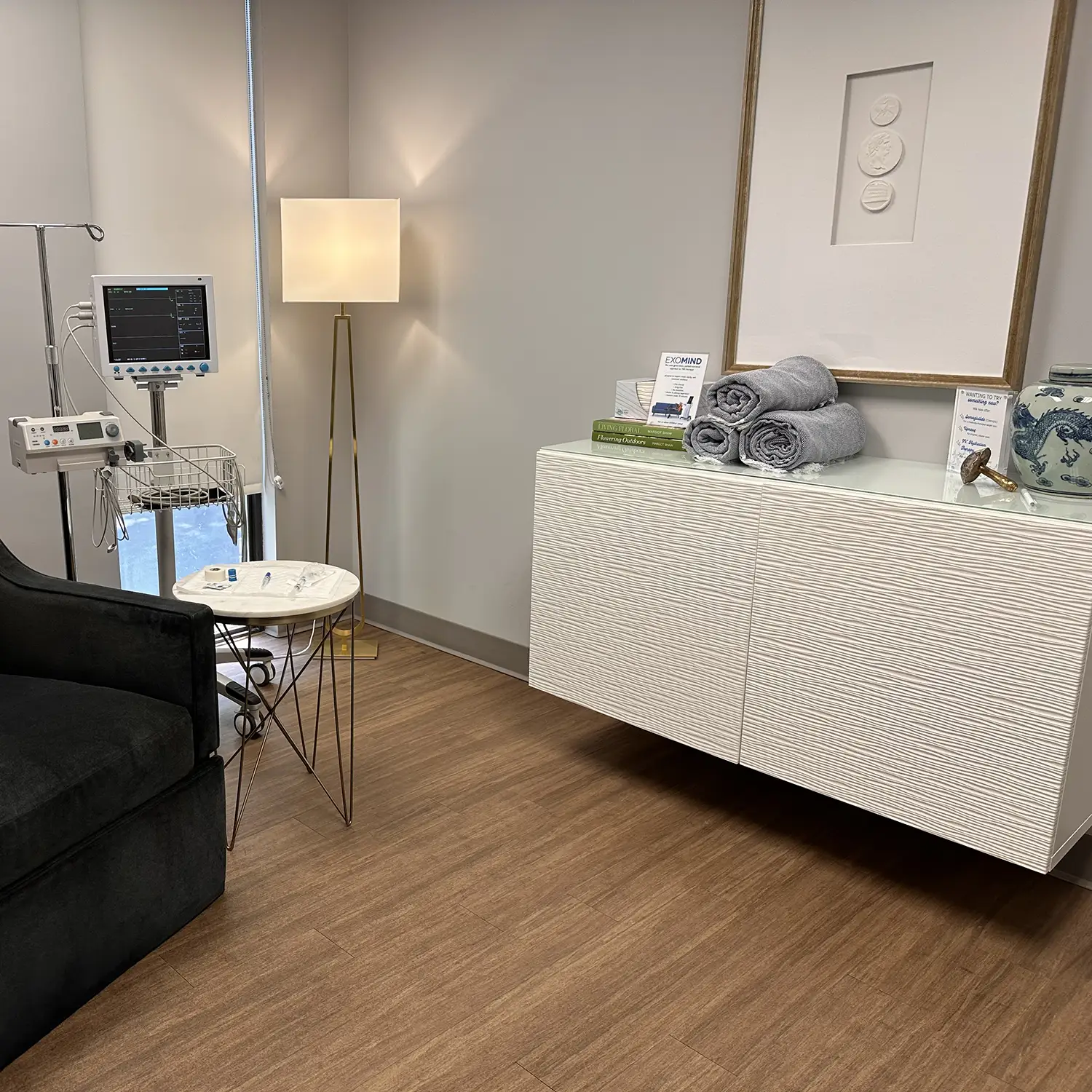
- You’ll relax in one of our quiet, private treatment rooms.
- A small IV will be placed, and your vital signs will be continuously monitored.
- The infusions for mood disorders are precisely 40 minutes, and infusions for chronic pain last 2 or more hours. We use syringe infusion pumps to deliver the medication precisely following NIH guidelines. The infusion is always followed by a recovery period where we continuously monitor your vital signs.
- Ketamine creates a dreamlike sensation of disconnecting the body and mind without reducing consciousness. Patients report a deep state of relaxation, which may be described as “floating.” Some experience empathy for oneself and others, as well as clarity to see beyond traumatic events or destructive thought patterns. Any mild side effects — such as light and sound sensitivity — fade within minutes after treatment. Our compassionate team will be with you throughout to ensure your comfort and safety.
What happens after my infusion?
After your session, we will monitor you until you are fully back to baseline. It’s normal to feel tired or mentally “foggy” for a few hours.
For your safety:
- Ketamine is an anesthetic and as such you can not drive following your infusion until the next day. So, it is mandatory a trusted friend or family member picks you up from your appointments. We also recommend refraining from operating heavy machinery, caring for small children, participating in strenuous activities, drinking alcohol, and making any major decisions until the day after your infusion.
Can I eat or drink before treatment?
It is necessary for you NOT to eat anything for at least 6 hours before your appointment. One of the main side effects of ketamine is nausea and vomiting. Fasting will minimize this risk. Clear liquids (like water, coffee without cream, or tea) are fine in small amounts before your infusion.
Are there side effects?
Most patients experience few, if any, side effects. The most common are:
- Mild tiredness or fogginess for a few hours
- Temporary nausea
- Lightheadedness or mild visual changes
- Increased sensitivity to light and sound
- Temporary increase in heart rate and blood pressure
We take proactive measures to minimize these effects, including pretreating patients with medication as necessary.
Who is not a good candidate for ketamine therapy?
Ketamine may not be appropriate if you have:
- Uncontrolled high blood pressure
- Unstable heart disease
- Untreated hyperthyroidism
- Persistent pulmonary issues
- Severe glaucoma
- Active substance abuse
- Active manic phase of bipolar disorder
- Ongoing delusions or hallucinations
- Untreated aneurysm
Your medical history will be carefully reviewed before beginning treatment to ensure your safety.
Do I need to stop my current medications?
In most cases, you can continue taking your prescribed medications including antidepressants. Dr. Amy will review all of your medications during your comprehensive consultation and make any necessary recommendations to ensure there are no contraindications. Never change or stop any medications without first consulting your prescribing provider.
Is ketamine therapy covered by insurance?
Insurance often doesn’t cover ketamine therapy because it is considered an “off-label” use. While ketamine is FDA-approved as an anesthetic, its use for mental health conditions and chronic pain is not yet FDA-approved. As a result, many insurance companies view ketamine treatments as experimental or investigational, even though research shows it can be highly effective for conditions like depression, anxiety, PTSD, and chronic pain. Additionally, because ketamine therapy is relatively new in the mental health field, it may take time for insurance companies to adjust their policies to cover this treatment as more data and approvals emerge.
Some insurance plans may cover portions of the treatment, and we are happy to provide super bills to submit to your insurance provider for out-of-pocket reimbursement.
Have more questions?
Our team is here to guide you every step of the way.
If you’d like to learn more or discuss whether ketamine therapy is right for you, please contact Crestline Health and Wellness — we’ll be glad to help.
We’re here to help. MAKE AN APPOINTMENT

COMPASSIONATE CARE
Located in the heart of Mountain Brook, we serve individuals throughout Central Alabama seeking relief from depression, anxiety, chronic pain, weight concerns, burnout, and more. Our clinic blends medical expertise with deeply personalized, patient-first care to help you feel better, function better, and live better.
AFFILIATIONS